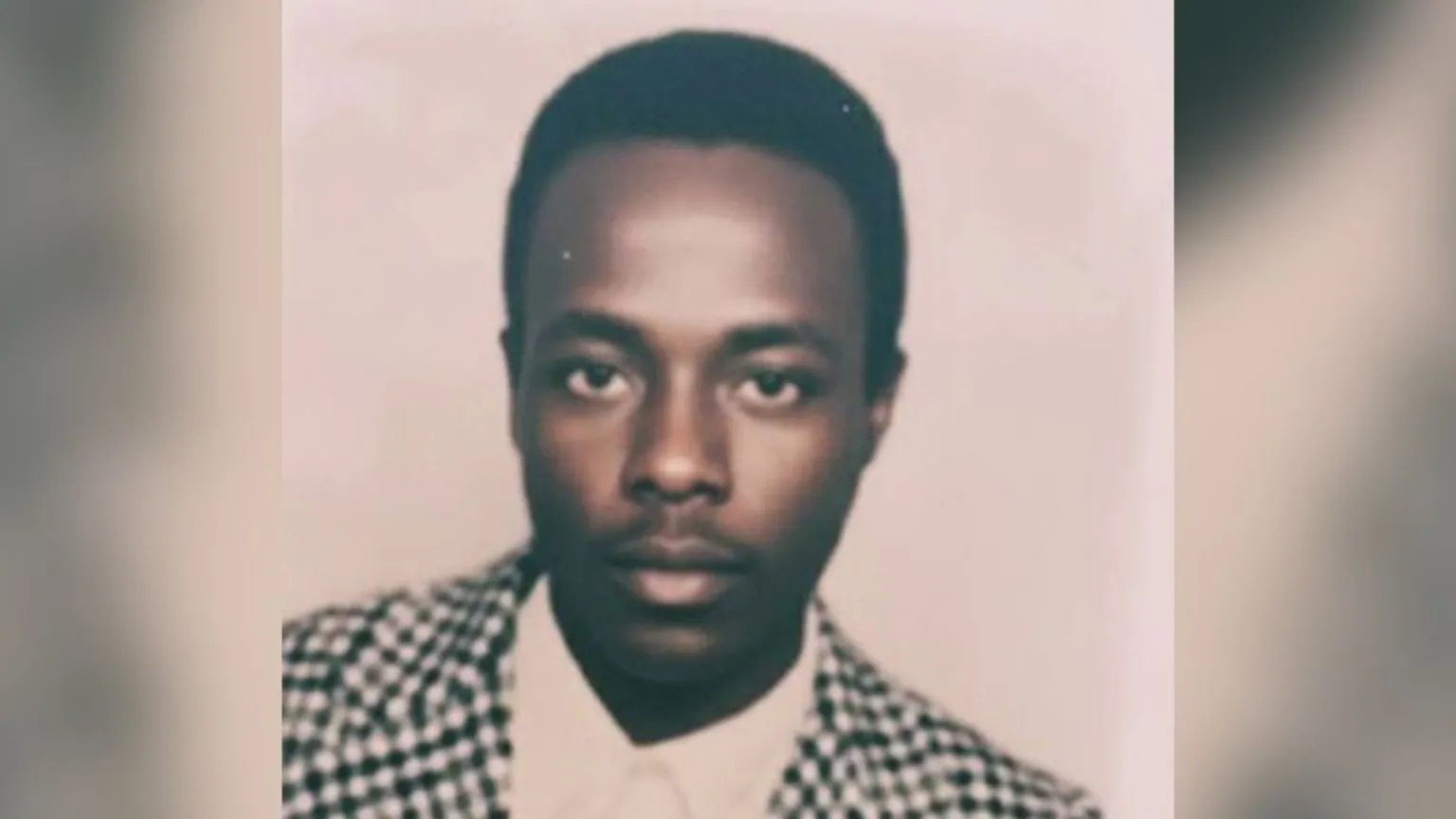
A well-known Eritrean satirical cartoonist, Biniam Solomon, has been released after spending 15 years in detention without ever facing trial, according to his family and friends. Arrested in the capital, Asmara, in 2011, the reasons for his prolonged imprisonment were never disclosed.
Biniam, who goes by the pen name Cobra, gained recognition for his witty and critical cartoons that tackled political and social issues in Eritrea. Despite his long detention, the authorities have not explained why he was freed, though his release comes amid a series of similar releases in the country.
Thousands, however, remain behind bars without trial or access to the outside world, in a country often criticized for human rights abuses.
During his 15 years in prison, Biniam had no contact with his family and received only occasional medical attention. A relative said he spent the latter part of his imprisonment in Asmara's "crime investigation" prison, a facility known to hold political prisoners and conscientious objectors under harsh conditions.
Biniam lost an arm in childhood but pursued his passion for art, producing a substantial body of work while also working as a physics teacher in a secondary school in Asmara to supplement his income.
His cartoons were widely published in several Eritrean newspapers between 1997 and 2001, a brief period after Eritrea’s independence when private media operated freely before being shut down by the government.
He authored three books, including Subtle is the Ruler, Conversation with Cobra Number One, and Conversation with Cobra Number Two, which compile his satirical works.
One of his cartoons, created during a period of political uncertainty in 2001, shows two people in bed: the minister’s wife asks why her husband is not getting up, to which he replies, "I might be frozen [suspended]," adding that he is listening to government radio to find out if he still has a job.
Human rights groups have repeatedly highlighted harsh conditions in Eritrean prisons, reporting widespread mistreatment, insufficient food and medicine, and lack of communication with the outside world. The government has consistently denied these allegations.
Biniam’s release, while welcomed, highlights the opaque nature of Eritrea’s detention practices. Recent reports suggest the government has freed other long-term detainees, though critics note the process remains largely informal and outside standard legal procedures. The United Nations has previously called for the release of around 10,000 people held without trial in Eritrea.